Why FAST is Becoming Cable 2.0 (And How to Stop It)
FAST is currently speed-running the same mistakes that killed the cable bundle. By analyzing the latest 2025 cable ratings, I break down why "spray and pray" is dead, why news is a demographic trap, and how to stop your platform from becoming Cable 2.0.

Hello everyone and happy new year. To the many of you who reached out to me in the last 18 months to say that you missed me keeping the industry/other analysts in check, you went to a major industry conference like MIPCOM or Stream TV and were disappointed that the moderators weren’t as good as me, or even that you cancelled your VIP+ subscription after I left 2+ years ago, well… I appreciate the sentiments very much but if it’s true that you can will things into being, you all might have done too good a job.
To briefly fill you in: After managing a portfolio of 50 1P and 2P FAST channels, launching 20 and sunsetting a number of poor performers, I was offered an opportunity to move to a new mini-studio within Amazon MGM Studios in June. I took that, focused on how to integrate AI within the process, and waited for our next orders. You may have heard of the tumultuous summer and fall at the Studio, which culminated in the 'Great Purge' of late October. My division was dissolved, and I was caught in the blast radius.
And now, we’re back. I have a whole host of things planned, but it would be foolish to not say that if you’re programming an event and want to spice it up a little with a familiar and trusted face, give me a shout! Likewise for writing or any of my other skills. I’m available, rested after exploring a few hobbies (figuring out emulation devices and building a history channel on YouTube), and eager to get back in.
One of my favorite annual data sets came out in the week before New Year’s: 2025’s Top-Rated TV Networks. While I have a number of analyses planned here, a key thing I thought of was how lessons from this can translate into the world of FAST. I devised four key strategies, which follow below, and would love to know whether you agree or not.
Strategy #1: Do Not Exceed 400 Channels on a Platform
Given the role that FASTMaster data played in the FAST channel arms race, with several services vying to offer the most channels as a sort of bragging point, this may seem a little funny for me to suggest. But viewer fatigue is real. If you think back to 2023 and when I was doing a road tour around the country with Xumo to speak with advertising agencies on FAST, a key point that we made was that the choice paradigm that SVOD suffered from was not something within FAST. Given the growth of most platforms since then, that’s no longer the case, and a major reason why this isn’t ideal is made apparent when assessing the number of cable TV channels with 250k+ average primetime viewers.
Today’s cable environment, with an estimated footprint of around 65 million subscribers in 2025, saw 119 channels measured in the annual analysis. Yet only 25 of these—21%—see an average primetime audience of 250k or more.
What does this mean for FAST?
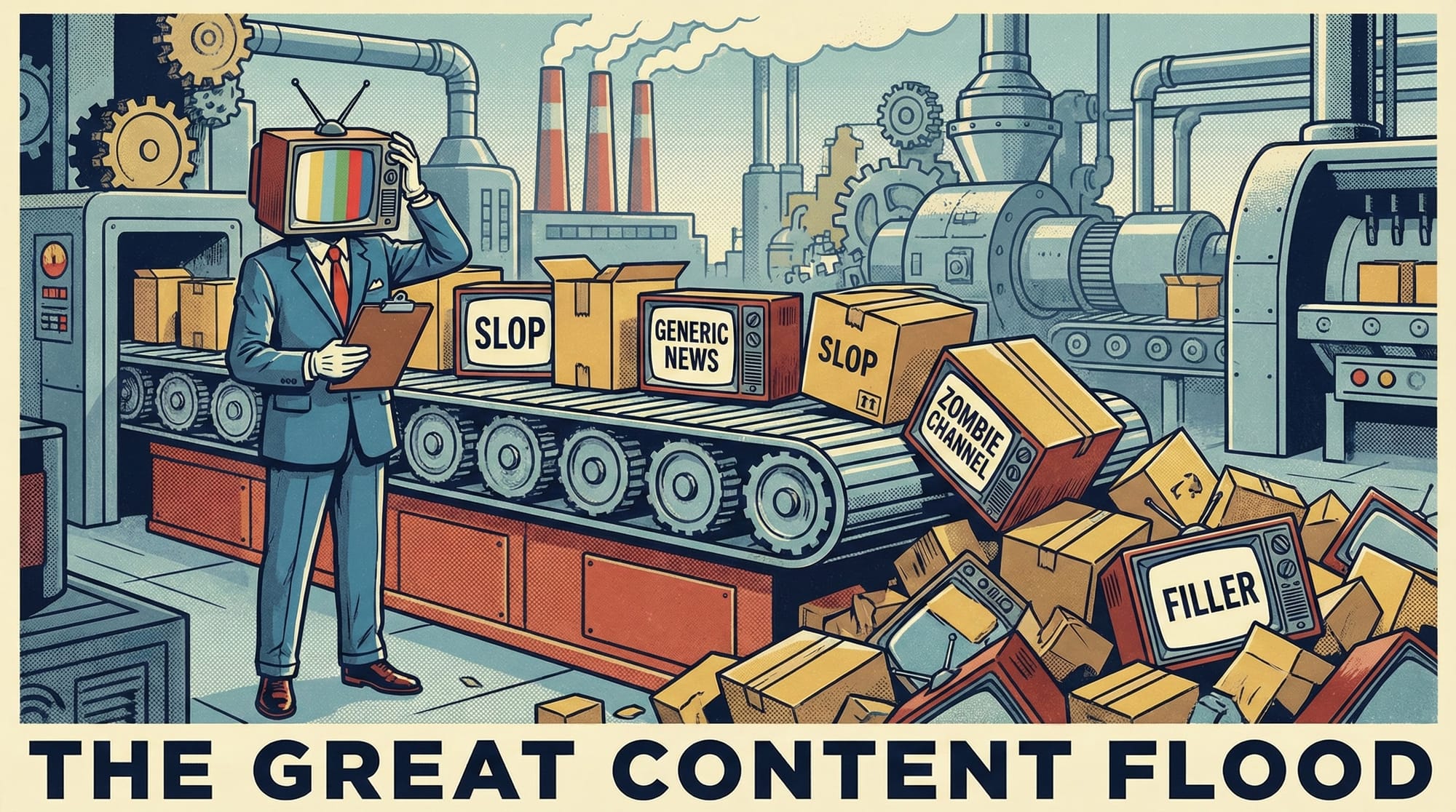
With platforms seeking upward of 1,000 channels in their line-up, monetizing many of these will be impossible, considering that many platforms have a user base lesser than cable. Much as AI slop is overwhelming social, FAST slop has been unleashed.
Strategy #2: Avoid the FAST Slop
While FAST continues to offer a nice revenue stream for successful channels, the continued decline in ad revenues, due in no small part to advertisers and young potential viewers seeing channels with older-skewing content (let’s say Dr. Phil for example) being promoted ahead of channels with more recent content, has seen many channels grow their audiences but make less money. This has been an issue since my Variety days covering the industry, but it continues. Thus, the birth of FAST slop, where media companies include channels destined for low performance as part of a package with more appealing ones. In other words, cable 2.0.
Arguably one of the key devaluators of the cable bundle has been this long-tail, where networks either cut their content to put on an SVOD or made it available same/next-day on SVOD, meaning that the cast number of networks do not offer a compelling exclusive content offering.
What does this mean for FAST?
That the same long-tail will continue to emerge, with a handful of channels making serious bank and a large number struggling to get by. Until better content options, smarter resource management, true personalization/recommendation, and bolder moves by FAST platforms are made regarding channel carriage, FAST will more than likely follow in cable’s footsteps. (On the flip, focusing on exclusive, fresh content and putting that in front of consumers is a way to avoid that. Easier said than done.)
Strategy #3: Stop Thinking News is Cute
News plays a valuable part in any ecosystem. It’s a topic I covered strongly at Variety, whether upsetting CNN by figuring out they were in trouble a month before everyone else, or covering in detail how younger viewers—that key advertiser demo—do not care about TV news. That’s not to say that FAST shouldn’t carry national news channels, but that care should be taken to not swamp the channel listing with hundreds of local news channels, the vast majority of which are not relevant to the viewer. (In fairness, not all FAST platforms do this and some offer only the networks closest to the viewer).
As a former exec at ABC News remarked to me in the fall, having news be a core part of a FAST strategy would “be madness” given the disparity between the audience advertisers want (under 50) and what news attracts (over 60). This is clear when assessing the chart above. Cable news networks have seen the share of their total audience that’s under 50 melt away at a far greater pace than other top 50 18-49 networks.
What does this mean for FAST?
Don’t delete news networks, but also if you want to attract younger audiences and maximize ad revenue, don’t make it front and center.
Strategy #4: Specialization is Key
When analyzing the audience share of the top 50 TV networks that is 18-49, the importance of specialized channels is apparent. The channels that saw the shallowest 18-49 share declines (or in some cases, actual growth) over the last 10 years tended to be those with a clear identity, with broader channels not performing as well.
Adult Swim and TNT stand out in particular as they have maintained their 18-49 audience shares, although I would bet TNT will see quite a drop in 2026 now they don’t have the NBA. In comparison, MTV seems to have rapidly aged up, going from being an undisputed king of youth (close to 2 in 3 viewers being under 50) to losing 20 percentage points of that share in 2025. It’s a cautionary tale that being a “Youth Brand” isn’t enough if you don’t move along with what the young actually do.
What does this mean for FAST?
In a world where marketing budgets are miniscule and you likely only have one shot at attracting a viewer, better shoot your best one by having a clear identity in the channel name and programming mix. To give examples of channels I launched: GOOD = MGM Celebrates Black Cinema, BAD = Play & Win (someday perhaps we can discuss the hurdles around naming a game show channel that I experienced).
In Conclusion
If there is one through-line in this data, it is that the "Land Grab" era of FAST is over. We are now in the Optimization Era. Cable TV didn’t die because people stopped liking video; it died because the bundle became bloated with expensive, irrelevant "slop" that ignored demographic realities.
FAST is currently speed-running that same trajectory. But it doesn’t have to. The platforms that cap their lineups, curate with intent, and refuse to let "zombie" channels dilute their offering will be the ones that survive the coming consolidation.