The Sunday Read: How Paramount-WBD Can Use TikTok to Achieve Cultural Immortality
The Paramount-WBD and TikTok integration kills the traditional marketing playbook. To win Gen Z, studios must stop buying trailers and start weaponizing their 15,000-title vault through Sludge, Lore, and React formats. Here is the $100M blueprint for cultural immortality.
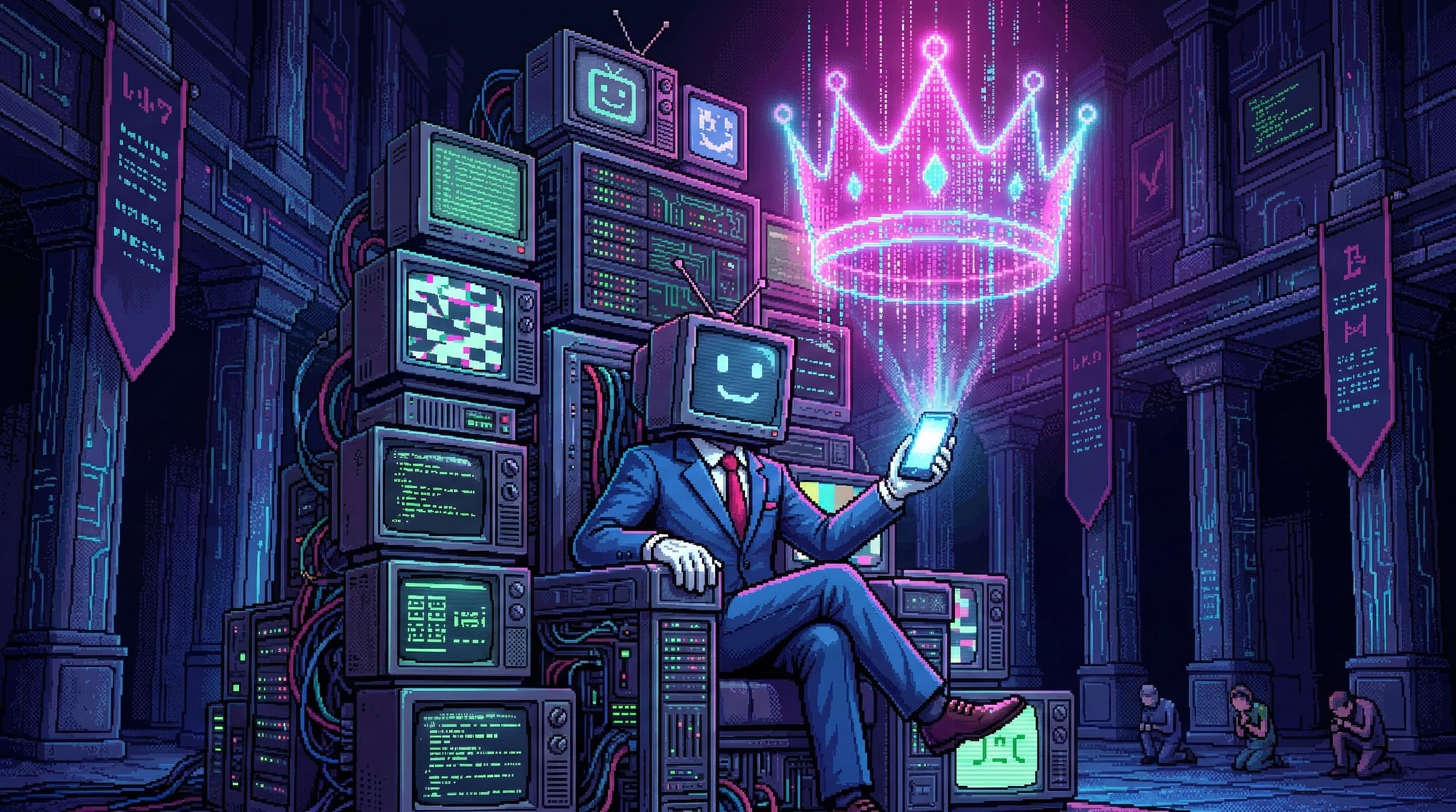
In the winter of 2026, two tectonic plates in the global media industry collided. First came the final restructuring of TikTok US into an American-controlled entity, backed heavily by a domestic consortium led by Oracle’s Larry Ellison (with Oracle owning 15%, alongside Silver Lake and Abu Dhabi’s MGX). Second came the acceptance by the board of Warner Bros. Discovery of the offer from Paramount Skydance for the mega-merger between the two companies.
For Wall Street analysts, this was a story of linear network consolidation, streaming bundles, and cloud server sovereignty. But for those mapping the psychological and economic realities of the modern internet, it represented a fundamental paradigm shift: The Ellison Synergy.
For the first time in modern media, an unprecedented familial syndicate effectively links the world’s largest, most premium vault of intellectual property—over 15,000 titles spanning HBO, Warner Bros., Paramount, Showtime, CBS, MTV, and Discovery—with the infrastructural backend of the world’s most powerful Gen Z distribution engine.
Hollywood’s traditional marketing playbook is officially dead. Spending $250 million annually on Madison Avenue ad agencies to cut polished, 30-second trailers for 19-year-olds who immediately swipe past them is a generational misallocation of capital. The new mandate is Zero-CAC (Customer Acquisition Cost) Cultural Hijacking.
The combined Paramount-WBD empire has the unprecedented ability to take 20th-century media properties, run them through the meat grinder of Gen Z internet formats, and pump them directly into the algorithm. But to do this without triggering massive Guild strikes, diluting brand safety, or alienating a generation that possesses the greatest inherent mistrust of corporate marketing in history, Paramount-WBD must build a completely closed-loop ecosystem.
They must synthesize their own vault to act as the narrative, the visual pacifier, the audio track, and the retail product—while radically opening their vault to empower the creator economy rather than fight it.
This is the definitive, boardroom-ready blueprint. This essay details exactly how to arm independent creators with archival lore, navigate SAG-AFTRA and WGA residuals, leverage Discovery’s massive unscripted/nature vault, and deploy a strategic $100 Million Ecosystem Fund that generates over $1.2 Billion in direct ROI while securing cultural immortality for legacy IP.
PART I: THE MACRO-ECONOMICS OF THE CONTEXT GAP
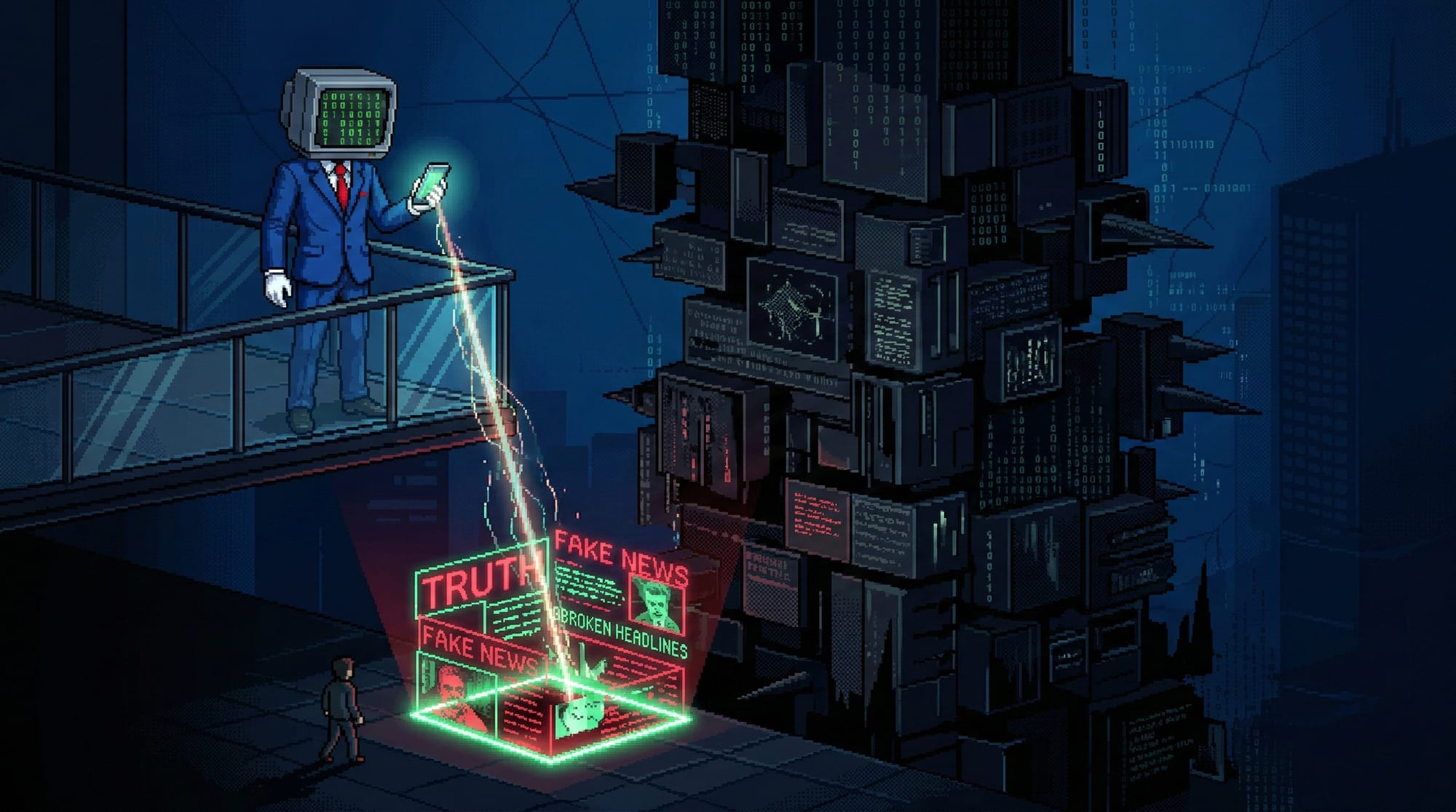
Before dissecting the specific video formats, we must answer Hollywood’s most pressing existential question: Does a viral 60-second TikTok actually convince a teenager to open a streaming app, subscribe for $15 a month, and watch a 45-minute episode of a show that ended five years ago?
The answer is emphatically yes, but only if the studio engineers a psychological phenomenon known as the Context Gap.
Legacy media views social platforms as digital billboards. Marketing executives post the climax of a scene, summarize the plot, and give away the resolution. Gen Z, however, does not use TikTok as a billboard; they use it as a primary Search and Discovery Engine.
When dormant properties like Dexter or Suits suddenly break Nielsen streaming records years after wrapping production, it is rarely due to a brilliant homepage carousel curation. It is entirely fueled by the algorithm manufacturing FOMO (Fear Of Missing Out) through fragmented context.
If Paramount-WBD floods the algorithm with highly aggressive, out-of-context clips of Bobby Axelrod (Billions) orchestrating a ruthless, devastating financial trade, the Gen Z viewer is fed the vibe without the plot. They understand that this character is immensely powerful, but they don't know the mechanics of the victory or the stakes of the betrayal. Eventually, the psychological friction of not understanding the narrative forces the viewer to seek the source material.
The Clip-Hanger Strategy
To weaponize this context gap, the studio must actively withhold the resolution. You post "Part 1" and "Part 2" of a high-tension scene from HBO's House of the Dragon or Paramount's Yellowstone. You do not post Part 3. The video simply cuts to black exactly one second before the narrative climax or the big reveal.
Because of the Ellison-Oracle-TikTok integration, the deep-linking is frictionless. The pinned comment does not read like a corporate call-to-action; it simply reads: "Watch the fallout right now on Paramount+." The user clicks the link and is dropped directly into the specific timestamp on the streaming app. You have turned a fully amortized sunk-cost asset into an algorithmic trapdoor that drops millions of young viewers directly into your subscription funnel.
PART II: THE TACTICAL PLAYBOOK (Hacking the Formats)
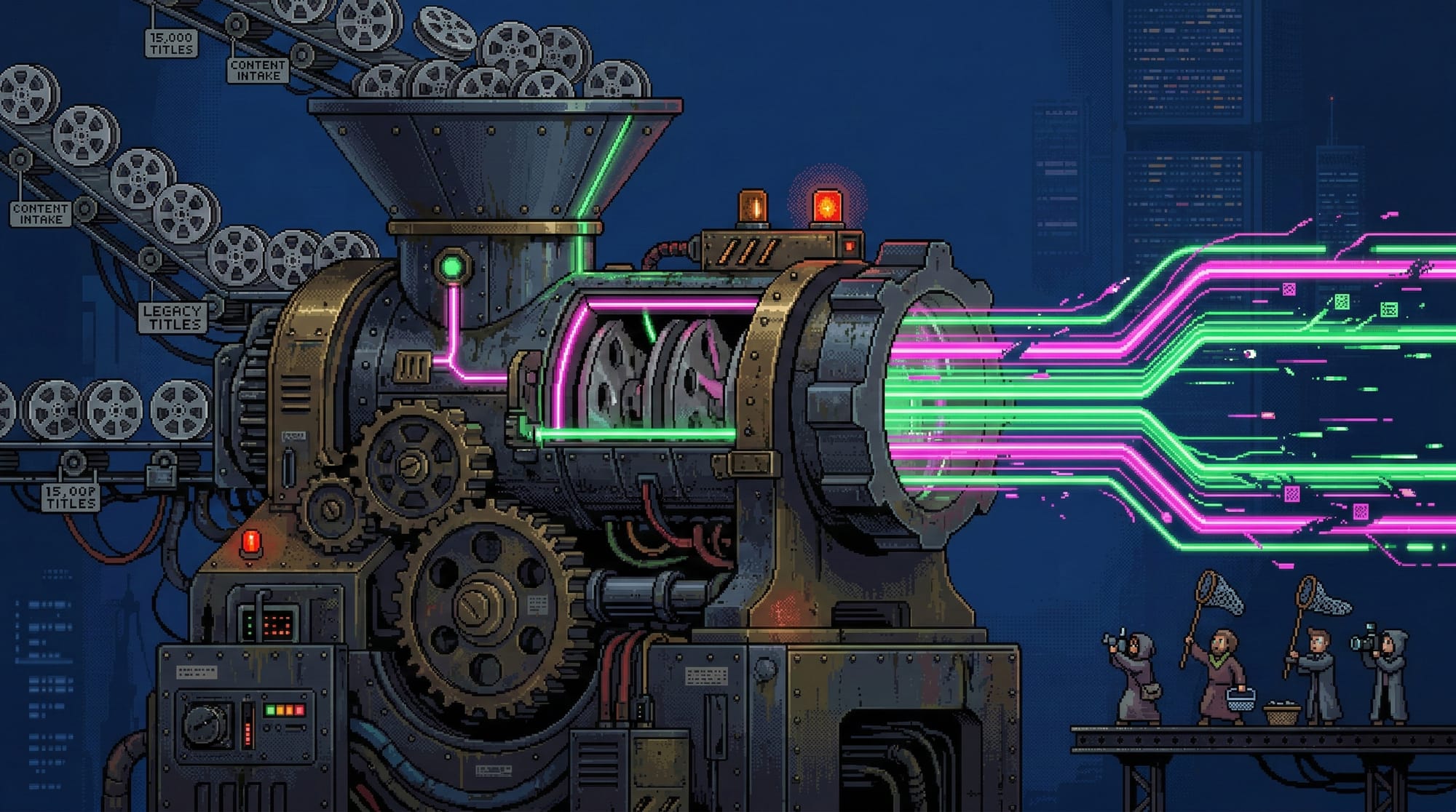
You cannot simply dump old TV clips onto TikTok and expect them to go viral. The content must be actively translated into native Gen Z formats. To execute the cultural immortality, Paramount-WBD must filter its 15,000-title vault into specific psychological buckets, using internal assets to avoid external licensing fees, while deploying targeted capital to creators to guarantee authenticity.
TACTIC 1: Proprietary "Sludge" (The Brain Rot Engine)
The Format Context: To understand Sludge Content (or Dual-Stimulus Video), you must understand the concept of the "visual pacifier." Gen Z internet culture birthed a format where a vertical screen is split in half. The top half plays a primary narrative (a movie clip or intense reality TV argument). The bottom half plays completely unrelated, highly kinetic, satisfying visuals. Maybe the Nintendo DS and 3DS laid the seeds for this as this generation grew up playing dual-screen video game systems.
Historically, teenage creators invented this format by pirating Hollywood clips and placing them above mobile gameplay of Subway Surfers (a Danish endless-runner game) or videos of strangers cutting kinetic sand. Why? Because Gen Z has been trained on hyper-stimulation. By occupying the restless visual cortex with constant, rhythmic motion, the viewer's auditory cortex can focus on the long-form story above without swiping away. It feels chaotic to legacy executives, but the completion rates are astronomical.
The Clumsy Corporate Error: A legacy executive might look at this trend and say: "Great, let's just strike a licensing deal with the creators of Subway Surfers and kinetic sand artists to make official Sludge!" This introduces unnecessary third-party expense, brand-safety risks (what if the kinetic sand creator gets "canceled"?), and legal friction.
The "In the Family" Hack: Paramount-WBD must replace these third-party pacifiers with proprietary Sludge using their own sprawling IP.
- The WB Games Traversal Loop: Endless-runner games work as pacifiers because of continuous, forward-moving momentum. Luckily, WBD owns a massive AAA video game publishing arm. Take a heavy, philosophical monologue from HBO’s True Detective. Staple it above pristine, 4K screen-recorded footage of a player endlessly flying a broomstick through the Scottish Highlands in Hogwarts Legacy, gliding through Gotham in Batman: Arkham Knight, or executing fluid combat in Mortal Kombat (all WB properties). You achieve a double-brand Impression—marketing HBO on top and a purchasable video game on the bottom.
- Discovery Nature Spectacle: Place a screaming match from MTV’s Jersey Shore on top. On the bottom, run silent 4K footage from Discovery’s massive nature documentary library showing a Great White breaching, or the mesmerizing, slow-motion crawl of a panther. It provides the exact same adrenaline and visual awe as Minecraft parkour, but using 100% owned, premium assets.
- The Discovery ASMR Loop: Take an incredibly tense boardroom negotiation from Showtime's Billions. Run it above a silent, continuous loop of a massive factory machine pressing bowling balls from Discovery's How It's Made. The rhythmic, industrial perfection pacifies the brain while the chaotic dialogue hooks the ear.
- Classic Cinema Sludge (1920s Brain Rot): Hollywood assumes Gen Z hates old movies because the pacing is too slow. Sludge is the ultimate Trojan Horse to fix that. However, you cannot use classic scenes with heavy dialogue on the bottom half, as it creates cognitive friction. You must use classic cinema purely for visceral spectacle or physical comedy. Pair a modern, intense scene from Succession (Kendall and Logan Roy screaming at each other) with a silent, black-and-white loop of Buster Keaton running from a train or dodging falling houses from the TCM (Turner Classic Movies) vault. The juxtaposition of hyper-serious modern prestige drama paired with 1920s physical slapstick creates an ironic, surrealist vibe that introduces 100-year-old cinema into modern meme culture.
TACTIC 2: The Open-Source Lore Ecosystem (Arming the Evangelists)
The Format Context: Gen Z possesses a deep aversion to traditional, 45-minute polished Hollywood documentaries, which they view as sterile corporate PR. However, they obsess over "Lore"—hyper-detailed deep dives into the fictional histories of massive franchises. Fictional world-building (Game of Thrones, Harry Potter, Mortal Kombat) is treated like historical fact. They will happily watch 3-hour essays on fictional timelines.
The Error of Legacy Archiving & The Corporate Trap:
For decades, studios spent millions producing "Making Of" documentaries, audio commentaries, and behind-the-scenes featurettes that are now buried in SVOD menus or rotting on physical media.
A legacy executive's first instinct would be to either dump these raw 480p files onto TikTok, or worse, issue DMCA copyright strikes against the thousands of independent YouTubers and TikTokers currently making Game of Thrones lore videos, aiming to legally suffocate them and replace them with highly-polished, corporate-made Unreal Engine 3D lore videos.
This is a fatal error. Gen Z has an inherent, aggressive mistrust of corporate sanitization. If a studio attempts to legally suffocate independent creators to prop up an official corporate account, it will trigger massive backlash. They will view the corporate videos as inauthentic, expensive "Silence, Brand" propaganda, and they will actively boycott the content.
The Execution (The Creator Sandbox):
Instead of fighting the creators, Paramount-WBD must arm them. You do not send them Cease & Desists; you send them 4K raw files.
- Open-Sourcing the Vault: Paramount-WBD creates an official "Lore Portal." They extract the isolated audio tracks of Peter Jackson explaining the forging of the Rings, George R.R. Martin explaining Valyria, or Ed Boon detailing the origins of Mortal Kombat. They place these assets, alongside pristine 4K B-roll, into a secure digital armory.
- Commissioning the Lore Drops: Instead of building an expensive in-house VFX studio, Paramount-WBD officially commissions the internet's top Lore creators (the grassroots essayists who already command massive, trusting audiences). You pay them bounties to do deep-dives using the newly unlocked, pristine studio assets.
- The Result: The creator gets to maintain their raw, authentic pacing, their gritty edits, and their unique voice. The studio gets tens of millions of organic views generated by a trusted ambassador, far cheaper than producing it internally. You transform the fandom from a legal liability into a monetized, highly motivated army of evangelists.
TACTIC 3: Asymmetrical True Crime (The GRWM Disarmament)
The Format Context: A massive TikTok trend involves "Get Ready With Me" (GRWM) videos, where creators do mundane physical tasks (like applying makeup or folding laundry) while narrating a terrifying or wildly dramatic story. The mundane visual disarms the viewer's skepticism, making the story feel highly intimate and conversational.
The "In the Family" Hack: The combined WBD vault holds the ultimate assets to mass-produce this format without paying a single beauty influencer.
- The Audio: Extract the chilling audio of 911 calls, police interrogations, or courtroom breakdowns from the ID (Investigation Discovery) True Crime network.
- The Visual: Pair it with the most visually methodical, satisfying tasks from the Food Network or HGTV. While the horrifying true-crime audio plays, the viewer watches Guy Fieri meticulously assemble a massive burger on Diners, Drive-Ins and Dives, an HGTV host quietly painting a room, or a pastry chef perfectly icing a wedding cake. The satisfying, comforting visuals ground the chaotic audio, perfectly mimicking the GRWM intimacy while keeping the viewer locked into the True Crime narrative.
TACTIC 4: Synthetic Reacts & VTubing (Navigating Guilds & IP)
The Format Context: React culture turns passive television into a communal event. Gen Z wants to watch other people watching content, simulating the feeling of sitting on a couch with a funny friend.
The Legal/Guild Reality Check: A naive pitch would be: "Just use South Park characters to react to MTV shows!" But you cannot just spin up a digital Eric Cartman without massive operational drag. Trey Parker and Matt Stone control South Park Studios with an iron grip; the licensing friction, creative approvals, and profit-sharing demands mean the juice isn't worth the squeeze for a random Tuesday TikTok stunt. Furthermore, using live-action actors for derivative "Reacts" triggers WGA and SAG-AFTRA new media residuals.
Paramount-WBD must approach this in two distinct tiers:
Tier 1: Free Range Assets (100% Owned)
Paramount-WBD must first deploy characters where the conglomerate holds 100% of the merchandising and derivative rights. Wholly-owned cartoons do not demand intense contract renegotiations, they do not age, and they can be deployed instantly using real-time motion capture (VTubing tech). However, to avoid a PR disaster, the studio must strictly align the VTuber avatars with two distinct brand safety tiers:
- The All-Ages Pacifiers (Family-Safe): WBD fully owns Looney Tunes and Scooby-Doo; Paramount owns SpongeBob SquarePants and Teenage Mutant Ninja Turtles. You keep these universally beloved, highly protected avatars reacting strictly to safe, mass-market spectacle. Have a 3D Bugs Bunny reacting to epic TNT Sports highlights, or SpongeBob roasting Food Network baking bloopers.
- The Unfiltered Roasters (Adult IP): This is where the viral gold lives. For roasting toxic, adult-themed reality TV like TLC’s 90 Day Fiancé or MTV’s Jersey Shore, Paramount-WBD must deploy its massive, fully-owned adult animation vault. Have 3D avatars of Beavis and Butt-Head or Daria (Paramount), alongside Rick and Morty, the cast of Smiling Friends, or Aqua Teen Hunger Force (WBD/Adult Swim) providing unhinged, cynical commentary.
By matching the IP's inherent edge to the content it is reacting to, you cross-pollinate nostalgia with modern reality TV in a highly viral, ironic way—without ever risking a brand safety crisis.
Tier 2: The Premium Squeeze (Creator Partnerships)
For A-list creator-controlled IP like South Park, the juice is absolutely worth the squeeze—but it must be treated as a premium event. Paramount approaches South Park Studios not as a studio boss, but as a digital partner. They offer a highly lucrative revenue-share model to have Trey Parker and Matt Stone produce exclusive, 60-second animated "Cartman Reacts" videos to Paramount reality shows. It costs real money upfront, but having Eric Cartman digitally react to Survivor generates an ROI that dwarfs the fee.
TACTIC 5: Weaponizing Aesthetics (Fancams & Corecore)
The Format Context: Traditional Hollywood markets plots. Gen Z consumes aesthetics. A "Fancam" (or Velocity Edit) is a 15-to-30 second, aggressively color-graded montage focusing on a single character's "cool factor," set to viral music. "Corecore" is the melancholic version—a chaotic montage of sad movie scenes set to slowed-down indie music, designed to evoke post-internet dread.
The Execution:
- The "Sigma" Edit (Hype Generation): Characters like Bobby Axelrod (Billions), Tony Soprano (The Sopranos), and Batman are idolized in male-skewing internet culture as unapologetic anti-heroes. Paramount-WBD must quietly pump out hundreds of aesthetic-heavy edits of these characters. They strip away the context of the plot and focus entirely on the cinematic lighting, the expensive suits, and the attitude. A 17-year-old sees 50 edits of Axelrod destroying a rival hedge fund and instantly decides they must binge the series.
- Corporate Corecore: Take Kendall Roy (Succession) looking blankly out of a skyscraper. Pair it with sweeping, ultra-high-definition drone shots of melting glaciers or abandoned cities from Discovery's massive nature documentary library. You are rebranding prestige television as a mood board for internet-era exhaustion.
- The Sonic Architecture: A fancam relies entirely on viral music. Licensing a viral TikTok song costs thousands of dollars. WBD owns WaterTower Music (the label behind Hans Zimmer’s Dune, Interstellar, and The Batman scores). WBD commissions in-house producers to remix the Succession theme song or the Mortal Kombat techno theme into aggressive Phonk tracks. By owning the audio, they avoid licensing fees, and if the track goes viral, Paramount-WBD collects the global streaming royalties.
PART III: THE DIRECT COMMERCE ENGINE (Native Monetization)
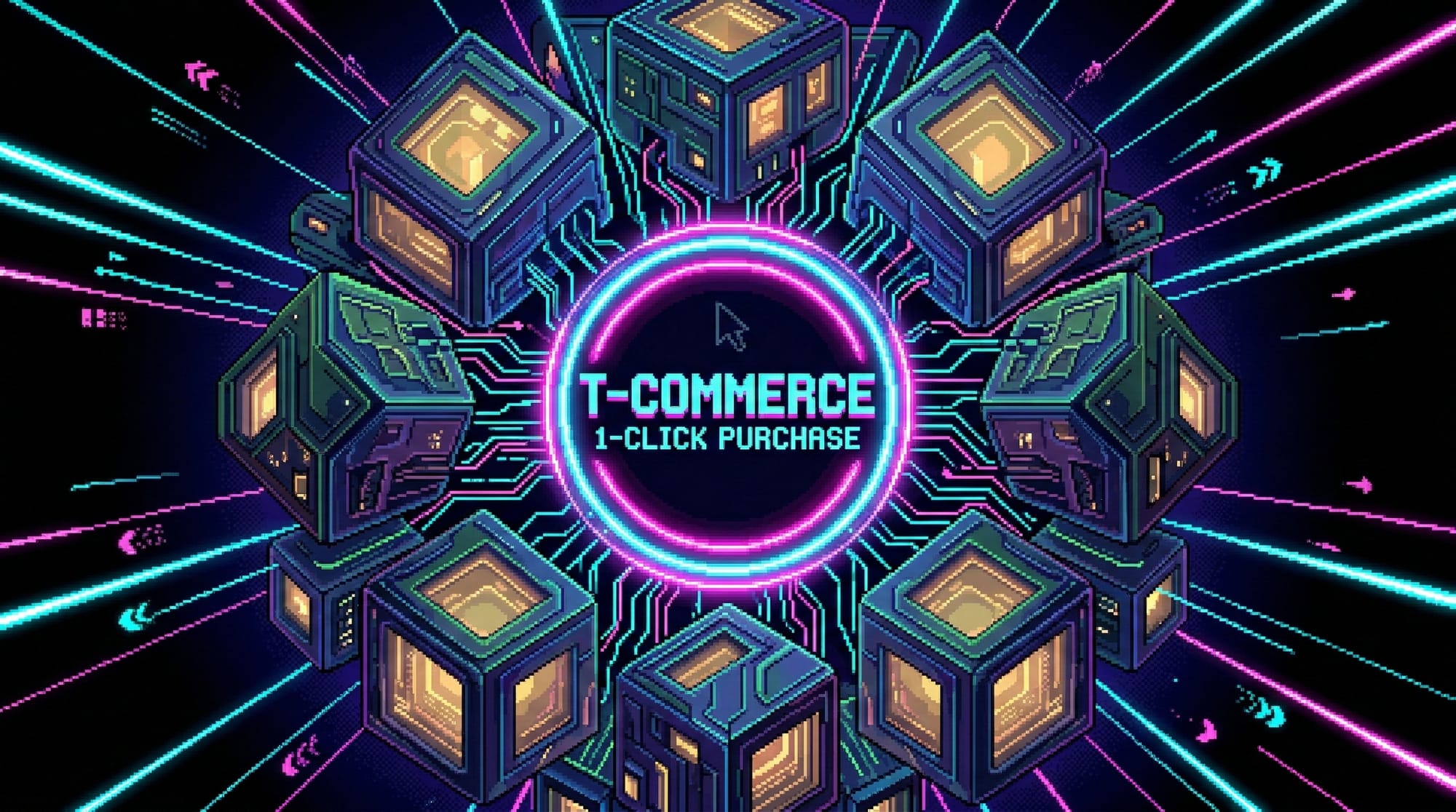
Generating a billion views on TikTok is an exercise in vanity if it doesn't translate to actual liquidity. Driving SVOD subscriptions is the primary goal, but the secondary goal is immediate, liquid cash flow.
Paramount-WBD can integrate with TikTok Shop. This is the holy grail of T-Commerce (Television Commerce). WBD Consumer Products is a multi-billion-dollar retail empire. Paramount owns massive merchandising ecosystems.
The Frictionless Impulse Buy
When an officially partnered creator drops a viral Harry Potter Lore Drop, or the internal desk pushes a SpongeBob Sludge edit, they attach a native TikTok Shop widget directly to the video.
- A user watches a 60-second Lore Drop about the history of Slytherin.
- The algorithm registers high retention. A frictionless button appears on the screen: "Buy the Official Warner Bros. Slytherin Hoodie - $65."
- Because the user’s credit card is already stored via Apple Pay, they purchase the merchandise without ever leaving the video player.
By building a closed-loop attribution funnel directly natively within TikTok, Paramount-WBD captures the deterministic purchase data legally and frictionlessly, allowing them to retarget buyers with SVOD subscription offers without relying on dying third-party cookies.
PART IV: THE $100 MILLION ECONOMIC MODEL & BOARDROOM STRESS TEST
If David Ellison walks into a boardroom and pitches this, the immediate pushback will be from Business Affairs and Legal. What about the guilds? What about residuals for the actors, writers, and directors whose work is being chopped up?
Attempting to skirt the Screen Actors Guild (SAG-AFTRA), the Directors Guild (DGA), and the Writers Guild of America (WGA) will result in a massive PR disaster and labor strikes. Instead of fighting the Guilds, Paramount-WBD must embrace them, turning a legal hurdle into a $1.2 Billion economic engine.
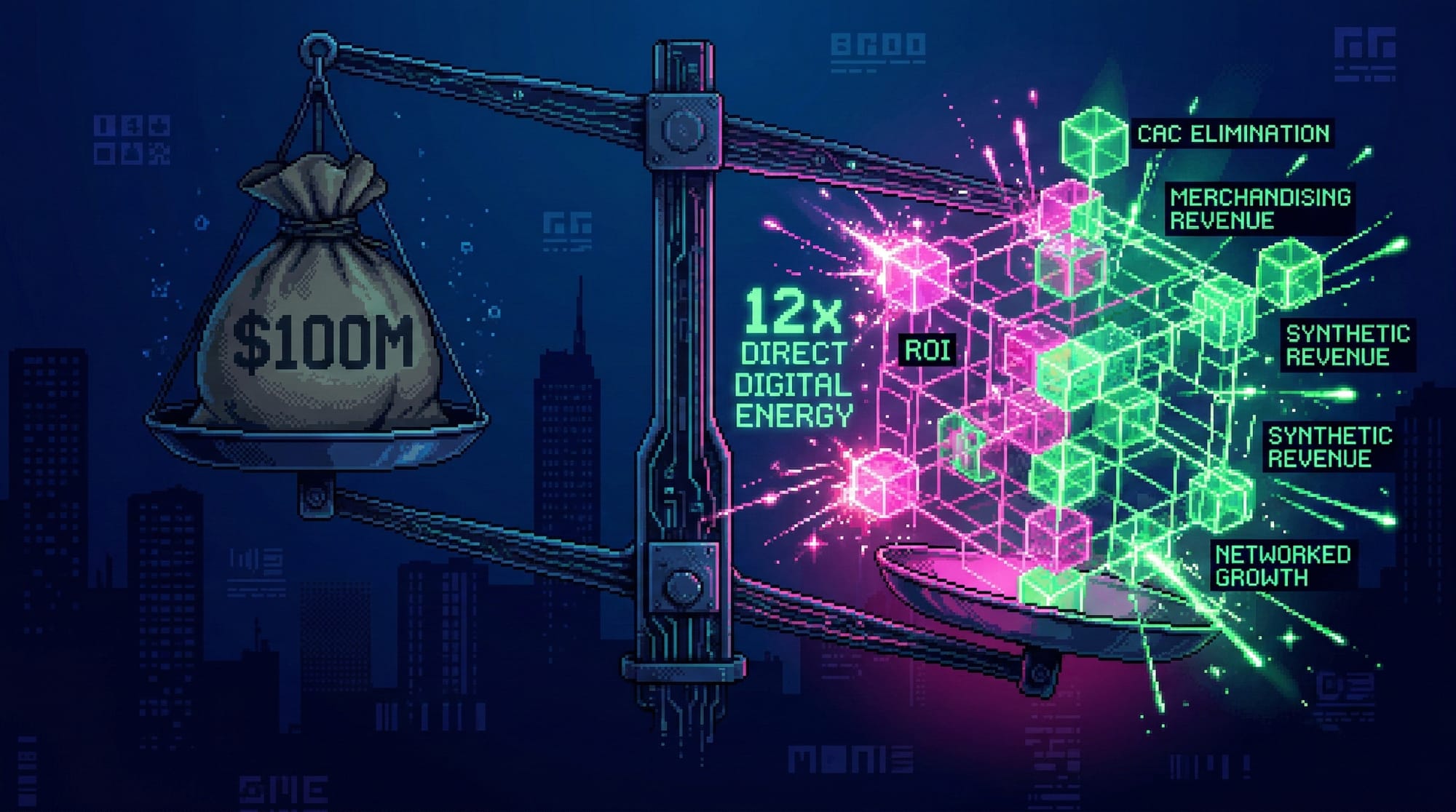
Here is the 12-Month Projection Model for a dedicated $100 Million Cultural Synergy Investment.
THE INVESTMENT (Year 1 Budget: $100 Million)
You do not give this money to traditional Madison Avenue ad agencies. You build a massive, hybrid internal/external ecosystem that prioritizes authenticity and labor peace.
- The New Media Guild & Residual Fund ($30M):
This is the most vital step. Paramount-WBD proactively approaches the Guilds to establish the 'Algorithmic Promotional Pool.' Rather than attempting the impossible task of attributing fractional SVOD sign-ups to specific TikTok views, the studio commits a flat, $30M annual marketing buyout fund distributed to the talent whose IP is cleared for the Creator Sandbox. You are buying labor peace upfront through guaranteed marketing bonuses. - The Creator Portal & Lore Sandbox ($30M):
Funding the official partnerships with the internet's top Gen Z creators, essayists, and VTubers. Instead of spending millions internally to try to mimic "authenticity" (which Gen Z will instantly reject), you fund the 22-year-olds who already have the audience and the voice. You pay bounties, revenue shares, and licensing fees to turn them into official, highly-paid studio evangelists. - High-Tier Creator IP Carve-Outs ($15M):
Paying the premium revenue-shares to partners like South Park Studios, or licensing massive Gen Z creators to officially react to Paramount-WBD content. - The Internal "Dark Desk" Editor Network ($15M):
Hiring 100 of the best Gen Z video editors, visual aesthetic directors, and VTuber riggers in the world. They are paid top-of-market salaries to operate decentralized social media accounts that pump out Corecore, Fancams, and Sludge. - Tech Infrastructure & AI Extraction ($10M):
Enterprise licenses for Oracle AI and cloud servers to automatically ingest 15,000 titles, scan for high-retention moments, auto-generate metadata, and seamlessly route the inventory to the Creator Portal and the TikTok Shop backend.
THE RETURN ON INVESTMENT (Projected Yield: $1.2 Billion)
By pumping tens of thousands of algorithmically perfect, legally cleared, authentic videos into the TikTok ecosystem, you trigger three distinct revenue pipelines:
1. SVOD Customer Acquisition Cost (CAC) Elimination: $600 Million
The average cost to acquire a net-new streaming subscriber is roughly $60 to $80 in traditional marketing. By utilizing the clip-hangar deep-linking strategy natively through the TikTok algorithm, Paramount-WBD transforms millions of organic impressions into direct SVOD sign-ups. If this ecosystem acquires or retains 10 million users globally across Max and Paramount+ ($15/month ARPU), that is $600M+ in traditional marketing spend saved and new recurring revenue generated.
2. Native Merchandising / T-Commerce ($400 Million)
This is the double-brand impression. When a user watches a True Detective / Hogwarts Legacy sludge video, they are served a frictionless TikTok Shop button to buy the $70 Hogwarts Legacy video game, or a $40 Sopranos Bada Bing! t-shirt. With billions of monthly impressions, a fractional conversion rate on premium merchandise generates hundreds of millions in high-margin liquid cash, bypassing Amazon and big-box retail margins.
3. Direct Platform Ad Revenue ($200 Million)
Through TikTok's Creator Rewards program, YouTube Content ID claims, and backend revenue shares with the creator sandbox partners, the billions of views generated yield direct payouts from the platform back to the studio. The platforms are physically paying the studio to market its own shows.
Total Ecosystem Yield: 12x ($100M in, $1.2B out).
This is not just liquid cash; it is a blended yield. By offsetting $600M in traditional marketing CAC, generating hundreds of millions in earned media value that would otherwise be paid to Madison Avenue, and capturing high-margin T-Commerce impulse buys, the $100M investment fundamentally restructures the conglomerate's P&L.
The Unquantifiable Yield: Cultural Immortality
Beyond the immediate $1.2 Billion yield, the $100M investment achieves something no traditional billboard can buy: Ongoing Cultural Relevance.
If a 16-year-old does not discover The Sopranos, Mortal Kombat, or Shark Week through an authentic TikTok edit today, those properties will age out and die with the millennial generation. By spending $100M to arm creators and force these characters into the TikTok aesthetic bloodstream, Paramount-WBD is minting new fans who will subscribe, buy movie tickets, and visit theme parks for the next 50 years.
PART V: NAVIGATING THE HOLLYWOOD EGO (The Risks)
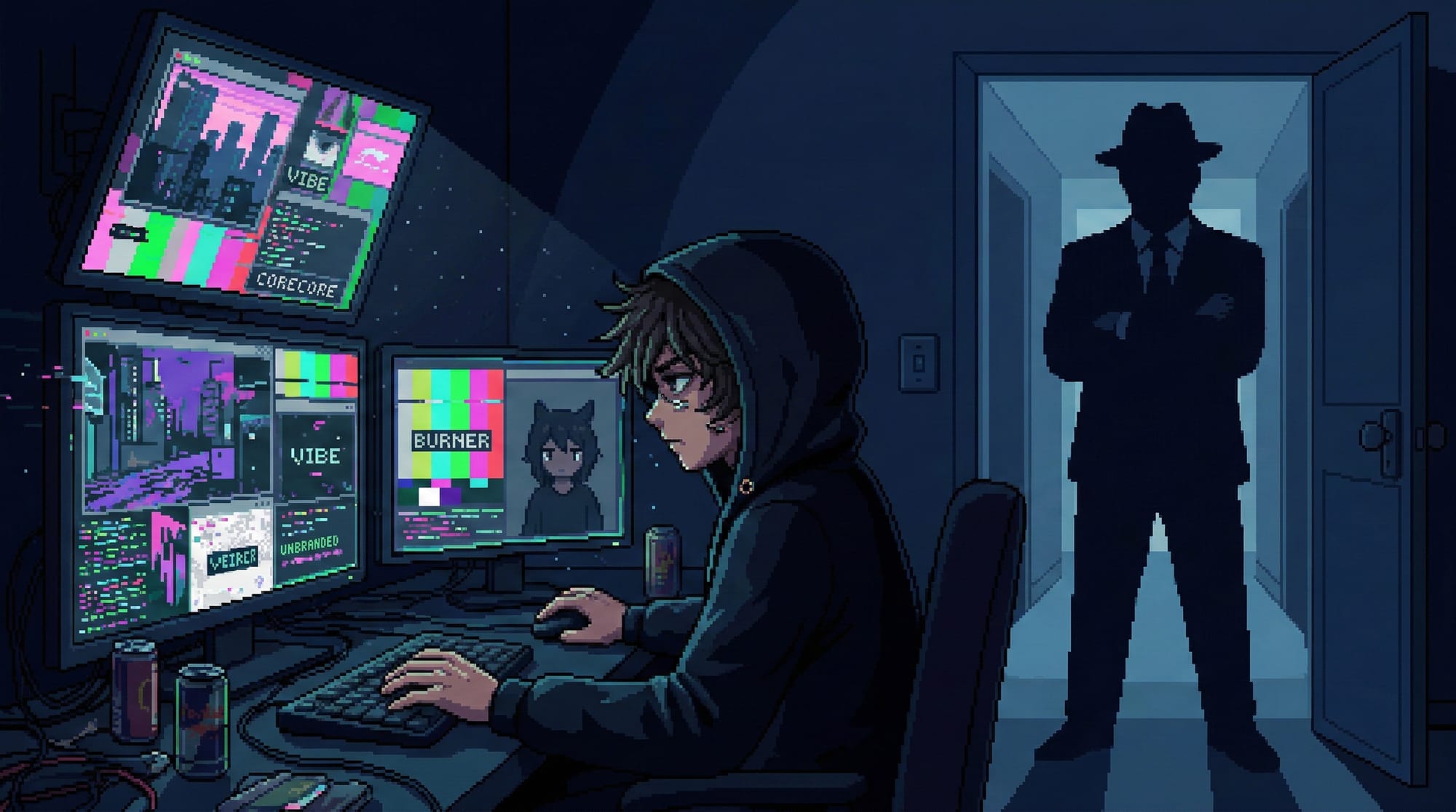
The math proves the economic viability, but the execution will face intense internal pushback from the Hollywood old guard. The showrunners, directors, and actors who created prestige IP like The White Lotus or Yellowstone will initially be horrified to see their cinematic masterpieces chopped into a vertical screen with Mortal Kombat gameplay at the bottom.
Furthermore, Gen Z’s bullshit detector is flawless. If the official, verified @HBO TikTok page posts a Sludge video with a polished corporate logo and a "Stream Now" end-card, Gen Z will instantly identify it as a desperate ad. They will flood the comments with "Silence, Brand" and the algorithm will bury it.
The Solution: The "Burner Account" Network
Instead of using the verified @HBO account, Paramount-WBD must launch a decentralized network of gritty, internet-native curator brands (e.g., @TheWesterosArchive, @RealityTV_Chaos). They are legally compliant and officially owned, but editorially independent—run by 19-year-old editors authorized to use VHS grain, harsh fonts, and unhinged pacing without needing a corporate VP's approval.
Studio executives must quietly explain to prestige talent that a Sludge video or a Fancam is not replacing their film; it is the modern trailer. It is an act of cultural preservation masquerading as internet trash. By proactively paying the Guilds out of the Residuals Fund, the studio transforms the auteur's anger into reliable mailbox money.
CONCLUSION: THE VAULT IS NOW THE ALGORITHM
The era of appointment television is over. The era of the $100 million traditional global marketing campaign is a walking corpse.
Disney, Netflix, and NBCUniversal are still fighting the traditional streaming wars, attempting to buy Gen Z's attention through massive customer acquisition costs and billion-dollar original content budgets that frequently miss the mark.
The Paramount-WBD / TikTok synergy bypasses that war entirely. By utilizing what we have laid out in this essay, they eliminate reliance on third-party IP. By formally budgeting for Guild residuals, they eliminate talent friction. By arming the internet's best independent creators with pristine archival Lore rather than suing them, they speak Gen Z's native language without sacrificing authenticity.
They do not need to spend billions trying to create the next big Gen Z hit. They simply need to hand the keys of their 15,000-title archive to the generation they are trying to reach—but as a carefully engineered "Clean Vault." You do not give creators a raw, uncleared legal minefield. By having internal tech teams strip the stems to isolate dialogue and visual FX from third-party music, Paramount-WBD can populate a Creator Armory strictly with pre-cleared, wholly-owned assets.
By providing this frictionless sandbox, ensuring the Guilds and creators are paid their fair share, and getting out of the way, they can let the internet chop, screw, and remix 20th-century television into 21st-century algorithmic gold.
Bobby Axelrod, Bugs Bunny, Guy Fieri, and Batman will not just survive the streaming wars. They will dictate the pace of modern internet culture. He who controls the memes, controls the culture. And Paramount-WBD now owns both the vault and the algorithm.
Stop fighting the internet. Start arming it. If your network or platform is still fighting the creator economy instead of weaponizing it, you are bleeding cultural relevance and ad impressions. I spent my time at Amazon researching and building content strategies specifically to crack the Gen Z audience, and today I help entertainment brands build high-retention, interactive launch ecosystems that actually convert.